
What is Myofascial Release?
Myofascial release can be helpful for people dealing with pain, tightness, or movement issues that don’t improve with stretching or exercise alone. It’s a gentle, hands-on approach that looks at how the whole body is connected — not just where symptoms show up.
Fascia is like a web that surrounds your muscles, organs, and joints and helps them move smoothly together, and when it gets tight, it can cause pain or stiffness.

“Very intuitive with her treatment!”
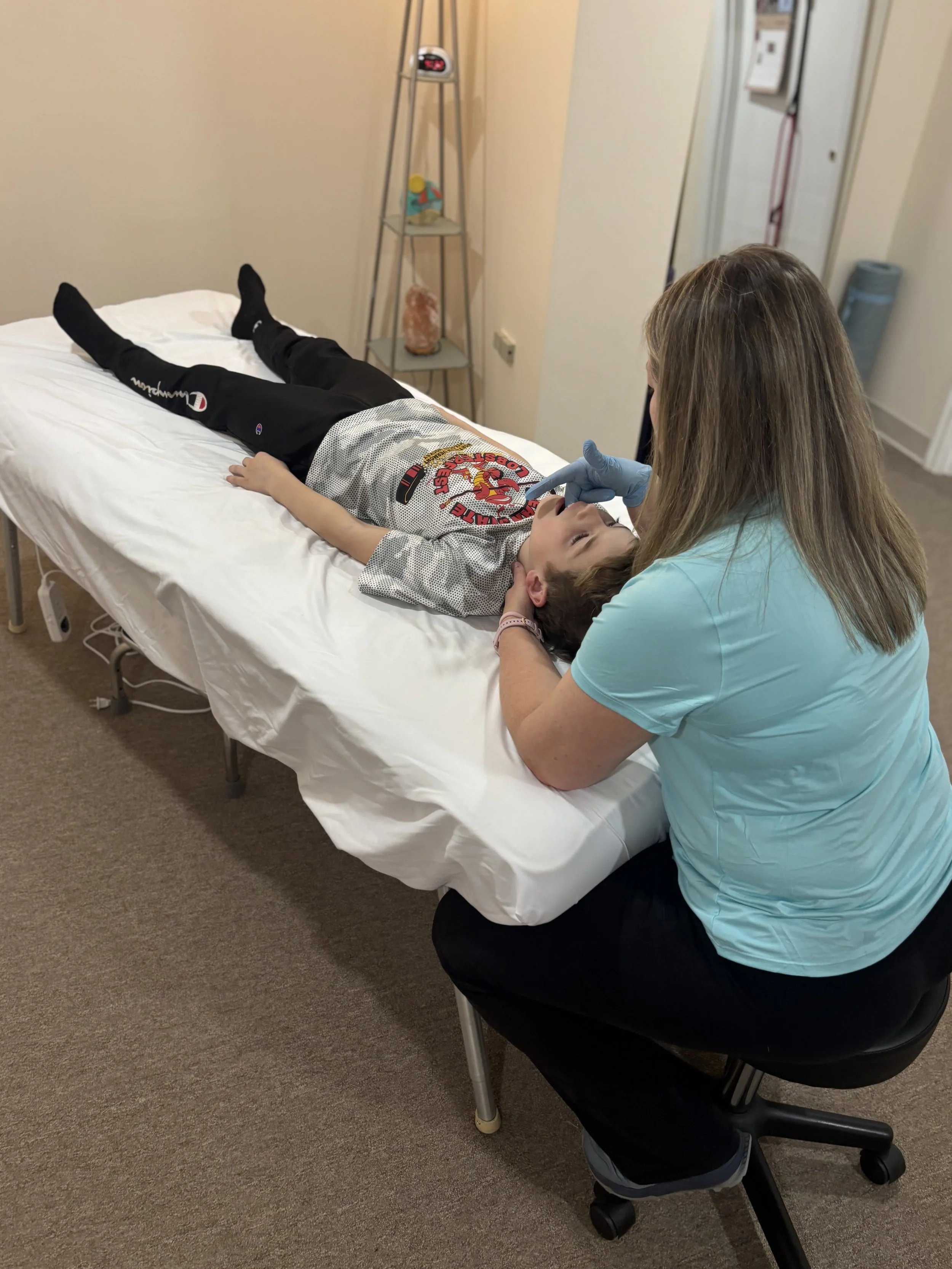

What we specialize in:
Pain-Related Conditions
Do you are suffer from chronic or recurring pain, muscle or soft tissue discomfort because you are always stressed, or have pain that keeps coming back or never fully resolves with your current treatment regimen? Do you clench your teeth or have problems with your jaw? Do you suffer from anxiety or depression or do you feel like you’re wound so tight and wish everything would just snap!?! Myofascial Release may be the answer. Most of these people haven’t had much luck with traditional Physical Therapy and find Myofascial Release as a last resort.
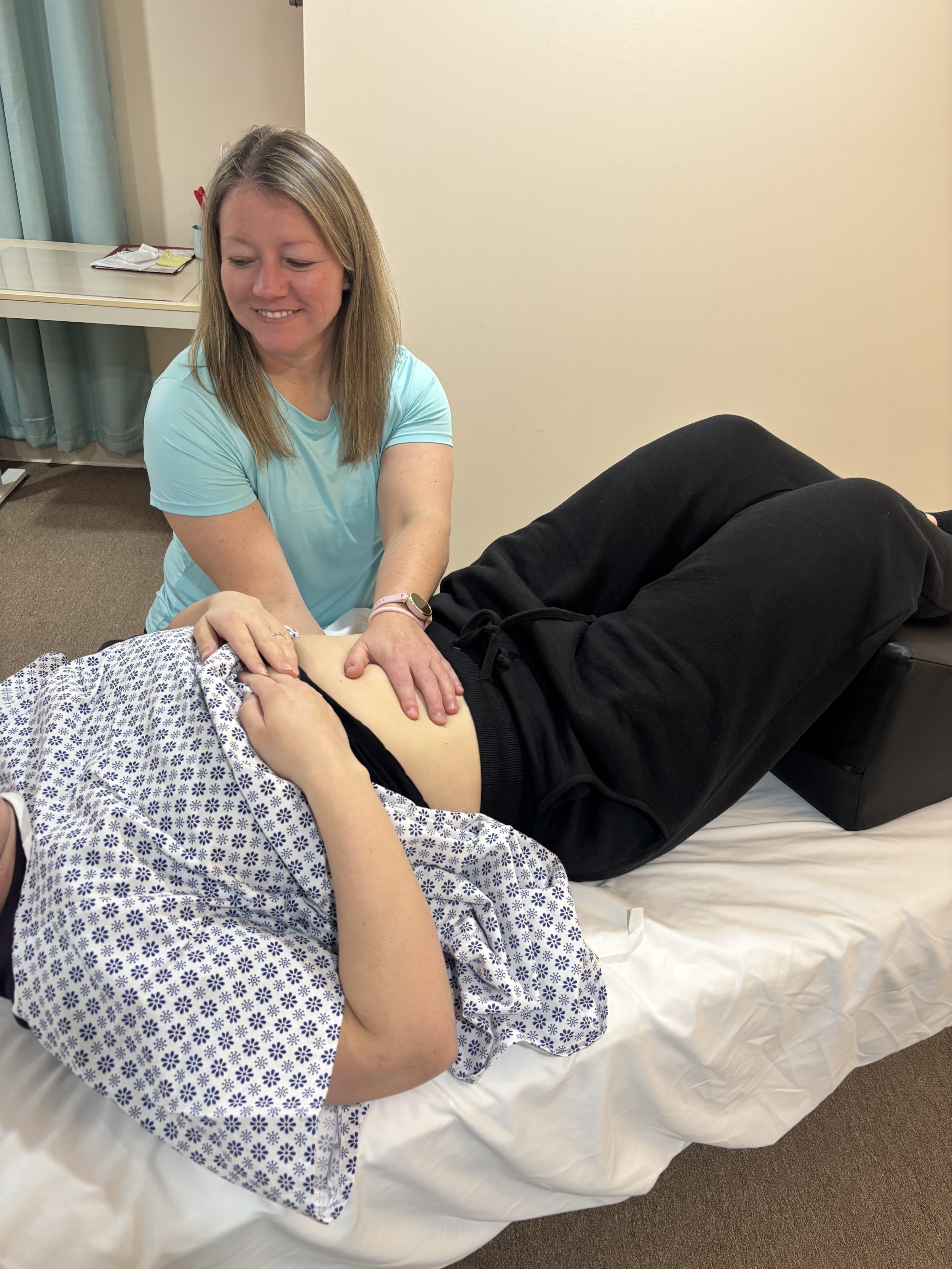
Pelvic Health–Related Concerns
We can help you resolve your pelvic pain for good! Whether its loss or bowel & bladder control, pelvic pain or pressure, tailbone pain from a fall, pain with intimacy, or if you are pregnant, postpartum or you’ve had pelvic surgery related symptoms-know that you don’t have to suffer forever. Fascial restrictions often involve the pelvis and core, which is why pelvic floor therapy may be recommended when appropriate.
Orthopedic & Musculoskeletal Conditions
Neck and shoulder tension causing headaches, nagging low back or hip pain, poor posture, general stiffness or limited mobility are becoming more common due to more time spent sitting staring at electronics and less time being outside and getting more movement and exercise.
Post-Surgical or Post-Injury Recovery
Any type of surgery whether its back or neck surgery, a joint replacement, hysterectomy, C-section, Carpal Tunnel, laparoscopic, or simply exploratory surgery results in scar tissue. Scar tissue leads to areas that feel restricted, sensitive, or difficult to relax and in turn create more pain and problems elsewhere in the body.
Daily Activity Limitations
If you have difficulty bending, twisting, or moving comfortably, suffer from stiffness with daily activities (can’t reach the top shelf in the cabinet, can’t wash your hair, have trouble getting in/out of the chair, can’t stand for more than 5 minutes before your back starts to hurt), or simply feel “stuck” despite stretching or strengthening efforts, Myofascial Release can help!
Myofascial release is used as part of a comprehensive physical therapy approach and may be combined with other treatment techniques based on individual needs and goals.
How Myofascial Release Can Help Babies, Toddlers, & Children
Babies rely on coordinated movement of the mouth, neck, jaw, and body to feed comfortably and effectively. Tightness or restrictions in the connective tissue (fascia) can sometimes affect how a baby moves, turns their head, or uses their mouth during feeding. As children and teens grow, their bodies go through rapid changes. Injuries, posture, sports demands, stress, or growth spurts can sometimes lead to muscle tightness or movement restrictions. Myofascial release is a gentle, hands-on approach that can help reduce tension and improve comfort and mobility during these stages.
Myofascial release may be helpful for babies who:
Have difficulty latching or maintaining a latch
Appear uncomfortable or fussy during feeding
Prefer turning their head to one side
Have tension in the neck, jaw, or body
Show signs of feeding fatigue or frustration
Have a history of birth-related tension or positioning challenges
Misshapen heads from being stuck in the birth canal or a flat head from favoring one side over the other
Toddlers, Children & Teenagers who:
Have growing pains or muscle tightness during growth spurts
Postural strain (slouching, backpack-related tension, screen use)
General stiffness or reduced flexibility, toe walking
Sports- Related injuries including overuse injuries, muscle soreness or tightness, limited mobility affecting performance, recurring aches that don’t fully resolve with rest
Jaw, Head, & Upper Body Tension-jaw tightness or clenching, head or neck tension causing headaches or migraines, upper body stiffness affecting movement or posture from staring at electronics too long.